Darkroom London Unveiled: Where Analogue Art, Nightlife, and Community Collide
Darkroom London is more than a place—it’s a movement, a community, and a cultural cornerstone. From film photographers craving the authenticity of analogue processing to clubgoers seeking intimate encounters in LGBTQ+ nightlife spaces, the term “darkroom London” captures two parallel worlds thriving in one diverse city.
In recent years, London has become a haven for those wishing to reconnect with film-based artistry, while also remaining a global hotspot for inclusive, expressive nightlife. Both interpretations of the darkroom serve as spaces for creativity, exploration, and personal expression. Together, they define a unique identity that only a city like London can offer.
The Rise of Analogue Photography in London
Analogue photography has experienced a remarkable renaissance in London. Artists and enthusiasts alike are drawn to its raw, hands-on approach, offering a sensory experience that digital lacks. Darkroom London studios have flourished as more people return to the roots of photography, preferring the patient process of developing film to the instant gratification of digital editing.
This revival is fuelled by a desire for slow art—an appreciation for imperfection, craft, and control. The darkroom is a sanctuary where light meets chemistry, and where the artist is deeply involved in each phase of creation. In a world obsessed with speed and convenience, darkroom London offers an antidote through deliberate, mindful creation.
Exploring the Darkroom London Photography Scene
The darkroom London scene is expansive, covering independent darkrooms, community-run spaces, and artist-led collectives. Camden’s iconic darkroom is one of the most renowned, offering high-quality enlargers, chemicals, and guidance for all levels. Whether you’re developing your first roll or working on a fine art project, the city provides spaces that foster growth and creativity.
Studios like Lux Darkroom and E1 Darkroom London offer more specialised services, such as alternative processes and fine art printing. There are even 24-hour access darkrooms for members who need flexibility. Whether you’re in East London or the North, there’s a photographic darkroom London close by, ready to bring your negatives to life.
Courses, Workshops, and Creative Spaces
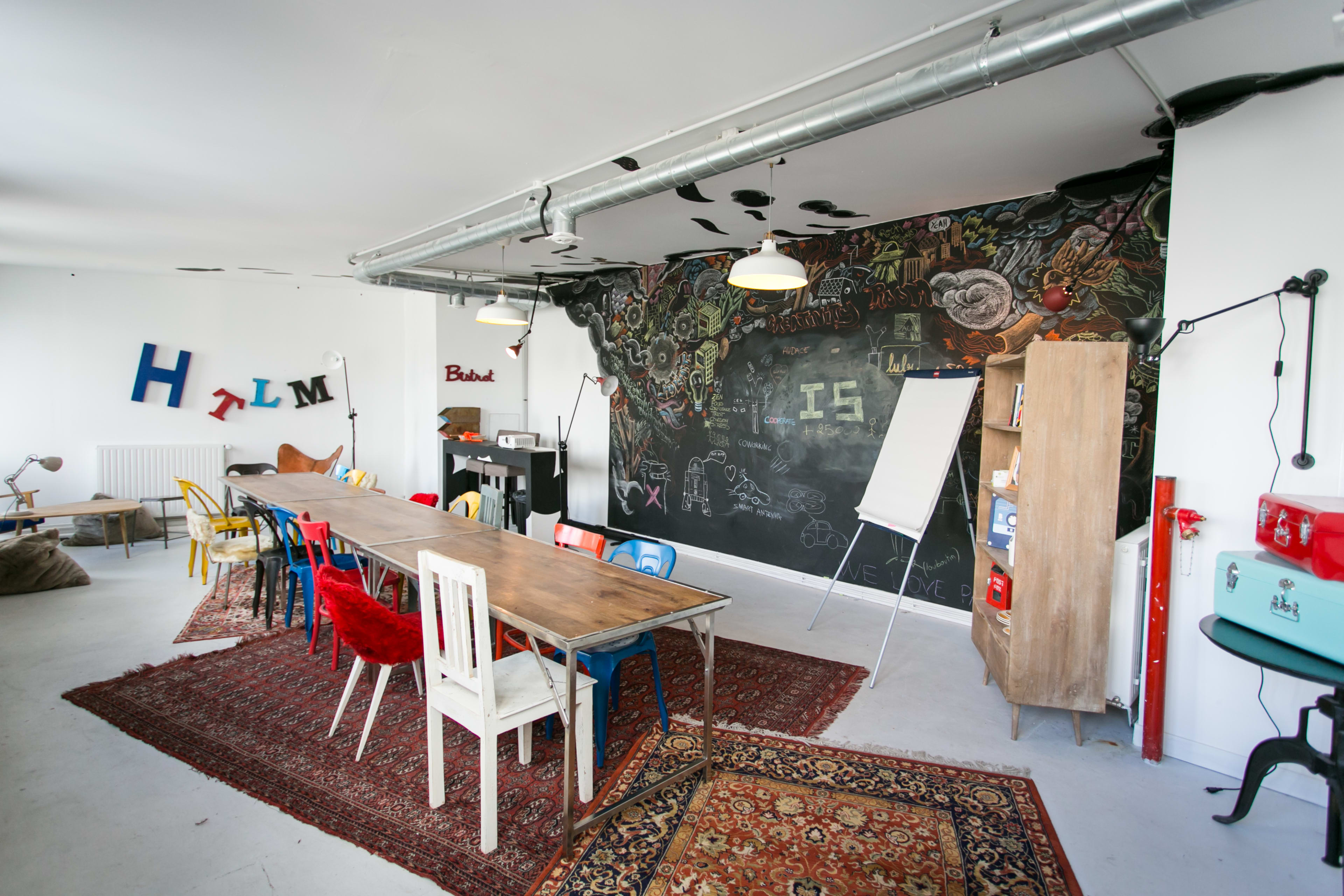
Education plays a huge role in the growth of darkroom London. From beginner-friendly workshops to advanced courses in silver gelatin printing, there’s a wealth of knowledge available to those eager to learn. These programmes are typically led by experienced photographers and include hands-on guidance in developing, printing, and understanding analogue techniques.
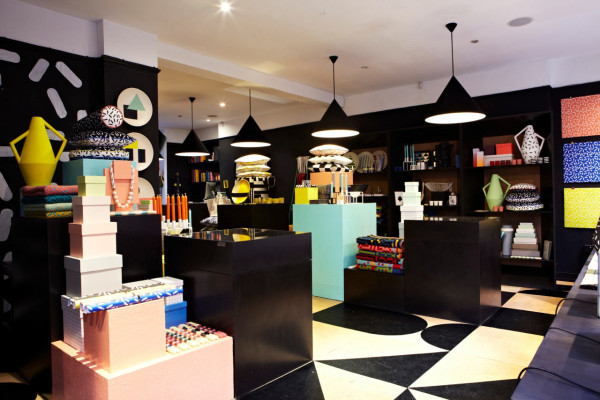
Many darkrooms double as artistic spaces, designed with creativity in mind. Some even showcase the famous darkroom London tiles, decorative and functional installations that reflect the aesthetic soul of each venue. These creative spaces are more than technical hubs—they are places where ideas flourish, collaborations begin, and analogue culture is kept alive.
The Other Side of Darkroom London: Nightlife and Culture
The phrase darkroom London also refers to a vital part of LGBTQ+ nightlife. In this context, a darkroom is a dimly lit, private space within a club or bar where guests can engage in consensual intimacy. These venues are more than party spots—they are affirming spaces that support freedom, identity, and self-expression.
Popular areas such as Vauxhall, Shoreditch, and Soho are home to bars with darkrooms, attracting locals and tourists alike. The best-known gay bar darkroom London venues uphold safety and inclusivity, offering a judgement-free zone for exploration. These cultural spaces are essential to queer heritage, echoing the bravery and resilience of those who carved them into existence.
Comparing Clubs vs Creative Spaces: A Cultural Intersection
Though vastly different in form, both club-based and photography-based darkrooms share the theme of transformation. One develops images, the other supports personal connection—but both involve a journey into the unknown, often in silence, often in shadows. In darkroom London, light and dark come together in beautiful contrast.
Many individuals are part of both worlds. By day, they might be capturing a moment on 35mm film; by night, they may find solace in the glow of club lights and the quiet safety of a darkroom. This cultural intersection is unique to London, where art and expression are never far apart.
Finding Your Place in the Darkroom Scene
Navigating darkroom London depends on your interests. If photography is your passion, there are dozens of studios where you can rent space, take lessons, or join a community. Memberships vary from pay-as-you-go options to monthly plans, and many studios welcome drop-ins and taster sessions for curious beginners.
If you’re looking for nightlife, gay clubs and bars offer discreet darkrooms where privacy and respect are prioritised. Each venue has its own etiquette and rules, but all share the goal of providing safe, enjoyable spaces. Whether you’re drawn to creative expression or sensual freedom, darkroom London has a path waiting for you.
Conclusion: The Dual Legacy of Darkroom London
Darkroom London represents two seemingly different worlds bound by shared values: creativity, community, and self-discovery. In photographic studios, artists shape images through light and chemistry. In gay clubs, individuals find space to connect, explore, and be themselves in darkness embraced by trust and freedom.
This dual identity is not a contradiction but a celebration of diversity. It proves that London continues to be a city where every shade of experience can find its place. Whether through a lens or a dance floor, darkroom London invites you to step into the shadows—and emerge transformed.
FAQs
What is darkroom London best known for?
It is known for both analogue photographic studios and LGBTQ+ nightlife venues that feature darkrooms.
Can beginners use photography darkrooms in London?
Yes, many darkrooms offer beginner workshops, guided sessions, and taster experiences.
Where can I find a gay darkroom in London?
Popular areas include Vauxhall, Soho, and Shoreditch, where many LGBTQ+ bars and clubs have darkrooms.
Is darkroom London only for artists or photographers?
Not at all. It also refers to club culture, particularly within the gay community, offering inclusive social spaces.
How much does it cost to use a darkroom in London?
Prices vary, but many offer hourly rates, day passes, or memberships starting from around £10–£120.
You may also read: Michael Portillo Net Worth 2025: Career, Wealth Sources and Lifestyle Revealed

Related Posts
F1 News: Max Verstappen’s Surprise Mercedes Link Sparks 2026 Speculation

Trump News UK: King Charles to Host Historic Second State Visit This September – What You Need to Know